Need an ingrown toenail treatment that works? You’re not alone. Statistics show that 20% of patients visiting healthcare providers with foot problems seek help for ingrown toenails. Many people try to fix it at home first and notice signs of infection. Professional treatment options can help.
Understanding Ingrown Toenails
Your toenail can grow into the surrounding skin instead of over it, causing an ingrown toenail. This common condition can affect any toe, but it most often affects the big toe.
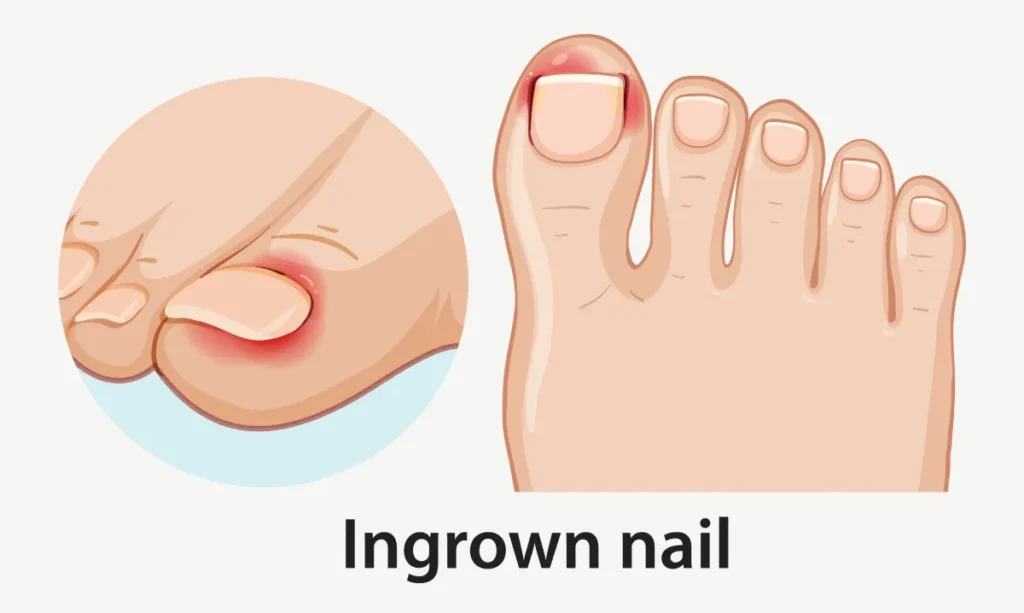
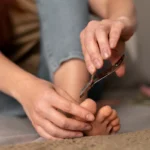
Improper nail trimming leads to most ingrown toenail cases. The problem starts when you cut your nails too short or round the corners instead of making straight cuts. Tight shoes that squeeze your toes together can also create pressure on the nails and force them to grow into the skin.
The risk of this painful condition increases with certain factors. Younger people face higher risks because their feet tend to sweat more. This softens the nail and skin. People with naturally curved toenails, those who have experienced toe injuries, or runners who put repeated pressure on their toes are also more likely to get an ingrown toenail.
Pain, tenderness, redness, and swelling around the affected area are common signs of an ingrown toenail. Severe cases might show these symptoms!
- Hardened skin surrounding the nail
- Warmth in the affected toe
- Pus or discharge (suggesting infection)
- Throbbing pain
Victoria Foot & Ankle Center provides both surgical and non-surgical solutions based on your specific needs.
Top Fixes for Ingrown Toenails
You can try several things at home to get relief from mild ingrown toenails before you need professional help.

The best way to start is by soaking your affected foot in warm and soapy water for 10-20 minutes, three to four times daily. This helps soften the skin and lowers the inflammation. You can add Epsom salt to your soak, which will further reduce swelling and speed up healing.
Managing pain is simple with over-the-counter medications like acetaminophen (Tylenol) or ibuprofen (Advil). Ibuprofen will also help lower the swelling. Your choice of proper footwear is a big part of recovery. Choose open-toed shoes or sandals until healing occurs. When you need closed shoes, make sure they have enough room in the toe area.
Keep your feet dry except during soaking sessions. Extra moisture can make the condition worse and lead to infection. Victoria Foot & Ankle Center understands your ingrown toenail pain and provides solutions. You should seek professional help if you notice infection signs or if home treatments don’t improve your condition within a few days.
Medical Treatments for Severe Cases
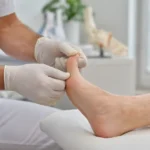
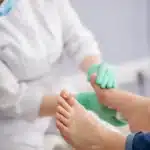
Medical intervention becomes important if home fixes fail or an infection develops in an ingrown toenail. Your doctor will examine the toe to get a full picture of its severity.

A doctor might need to drain pus from infected areas with a blade or needle if your toenail gets infected. Several treatment options are available after this first relief!
Partial nail avulsion remains the most common approach. The doctor removes the ingrown part of the nail under local anesthetic. This gives immediate relief and helps the inflamed tissue heal.
Matrixectomy provides a lasting solution. The doctor removes part of the nail and treats the nail matrix (root) with chemicals like phenol or laser therapy. This stops the nail from growing back in that area.
Dr. Eberly at Victoria Foot & Ankle Center offers treatments for ingrown toenails based on your needs. You’ll get professional care that helps you walk comfortably again quickly.
Need Ingrown Toenail Help?
Ingrown toenails cause pain and frustration, and home fixes don’t always help. More severe or infected cases will without doubt need a doctor’s care. Victoria Foot & Ankle Center creates customized treatment plans for your ingrown toenail concerns. Dr. Eberly, our board-certified podiatrist, reviews each case to determine the best approach. Schedule an appointment with our experienced team and take your first step toward relief today.
Ingrown Toenail Treatment FAQs
Most effective treatment for persistent ingrown toenails?
For recurrent or severe cases, a partial nail avulsion with phenolization is considered highly effective. This procedure involves removing the ingrown portion of the nail and treating the nail matrix with chemicals to prevent regrowth in that area, offering a more permanent solution.
How can I treat an ingrown toenail at home?
For mild cases, soak your foot in warm, soapy water for 10-20 minutes, 3-4 times daily. After soaking, gently lift the nail edge and place a small piece of cotton underneath. Apply antibiotic ointment and loosely bandage the toe. Wear open-toed shoes until it heals.
When should I seek medical help for an ingrown toenail?
Seek professional help if you notice signs of infection such as increased pain, redness, swelling, or pus. Also, consult a doctor if home treatments don’t improve your condition within a few days, especially if you have diabetes or circulation problems.
Recovery time from ingrown toenail treatment?
Recovery time varies depending on the treatment. For most medical procedures, patients can return to normal activities within 1-3 days. However, complete regrowth of the nail typically takes 2-4 months.
Can ingrown toenails be prevented?
Yes, prevention is possible. Trim your toenails straight across, not too short or rounded at the corners. Wear shoes with adequate toe room to avoid pressure on your toes. Keep your feet clean and dry, and practice good foot hygiene to reduce the risk of developing ingrown toenails.