That first step out of bed in the morning is supposed to be the start of your day, not a sharp reminder that your heel is suffering. Plantar fasciitis is one of the most common causes of heel pain, and plantar fasciitis relief does not have to be complicated. But it does have to be consistent. Here is what is actually happening in your foot and what you can do about it.
What Makes That Morning Heel Pain So Brutal
The plantar fascia is a thick band of tissue running along the bottom of your foot, connecting your heel bone to your toes. Its job is absorbing shock every time your foot hits the ground. When it gets overworked through high mileage, sudden weight changes, poor footwear, or long hours on hard floors, it develops small tears and becomes inflamed.
Why is morning the worst? After hours of rest, the tissue contracts. That first step stretches it suddenly, and the pain can be intense. As you walk and warm up, blood flow increases and the fascia loosens, which is why the pain often fades after a few minutes. That improvement tricks people into thinking it is not serious. It is.
At-Home Steps That Work for Heel Pain and Plantar Fasciitis Relief
Most plantar fasciitis responds well to conservative treatment, meaning you do not need surgery or prescriptions to start feeling better. The catch is consistency over several weeks.
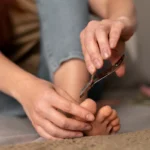
Stretch before your first step. Before getting out of bed, flex your foot up and down 10 times, then pull your toes back toward your shin for 30 seconds. Doing this before weight-bearing loosens the fascia so that first step does not jolt it.
Switch your shoes. Footwear with good arch support and cushioned heels makes a real difference. Thin-soled shoes, flip-flops, and going barefoot on hard floors make things worse. If you cannot part with your current shoes, quality orthotic inserts help considerably.
Ice for 15-20 minutes in the evening. Rolling your foot over a frozen water bottle after work reduces inflammation and helps with pain. Do it after activity, not right before bed.
Stretch your calves daily. Tight calf muscles put extra stress on the plantar fascia. Simple calf stretches against a wall, morning and evening, take two minutes and make a significant difference over weeks.
Cut back on high-impact activity temporarily. Running and extended walking on hard surfaces slow healing. Swimming or cycling lets you stay active while the fascia recovers.
Plantar fasciitis is one of several conditions our team treats regularly. Visit our conditions treated page to see the full range of foot and ankle issues we address.
When Home Remedies Stop Working
Most people improve within several months of consistent conservative treatment. But about 10% of plantar fasciitis cases do not respond well to home care. If you have been stretching and icing for six weeks without meaningful improvement, your foot may need more.
Factors that complicate healing include high arches or flat feet, standing for 8-plus hours daily, running frequently on concrete, and carrying extra body weight. All of these put the plantar fascia under sustained stress that home remedies cannot fully address on their own.
Professional Treatment Options at Victoria Foot & Ankle
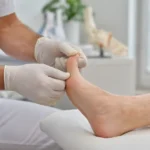
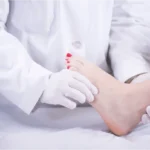
At Victoria Foot & Ankle Center, we see plantar fasciitis cases every week, from mildly irritated to severely chronic. Our approach starts with a thorough evaluation to rule out other causes of heel pain, like stress fractures or nerve entrapment, which can feel similar but need different treatment.
Custom orthotics give your arch the support it needs in the exact shape of your foot, something over-the-counter inserts cannot replicate. Corticosteroid injections reduce severe inflammation when stretching alone has not been enough. Physical therapy targets the tight structures in your calf and foot that keep pulling on the fascia. For stubborn cases, shockwave therapy stimulates healing in chronically damaged tissue.
Have questions about what to expect at your first visit? Check our new patient information page before you come in.
How to Keep Plantar Fasciitis From Coming Back
Once your pain is under control, the goal is keeping it that way. Replace athletic shoes every 300-500 miles. Maintain your daily calf and foot stretches even after symptoms resolve. If your job keeps you on your feet, invest in footwear designed for standing. Anti-fatigue mats at standing workstations make a measurable difference.
Weight management helps significantly when that is a factor. Every extra pound of body weight puts roughly 1.5 pounds of force on your plantar fascia with each step.
What causes plantar fasciitis heel pain? Overuse of the plantar fascia band causes small tears and inflammation, especially in people with flat feet, high arches, or jobs requiring long hours of standing.
How long does plantar fasciitis take to heal? Most cases improve within 6-12 months of consistent conservative treatment including stretching, supportive footwear, and icing.
When should I see a doctor for heel pain? If heel pain persists after 6 weeks of home treatment, or is severe enough to limit daily activity, schedule an evaluation with a foot specialist.
LIKE THIS ARTICLE?
Share on Facebook
Share on Twitter
Share on Linkdin
Share on Pinterest
Meet the Doctor
Dr. Eberly is a skilled, board-certified podiatrist and podiatric surgeon with extensive clinical experience. His goal is to help patients overcome their foot and ankle conditions so they can get back to doing everyday activities.