
Flat Feet Treatment in Victoria, TX
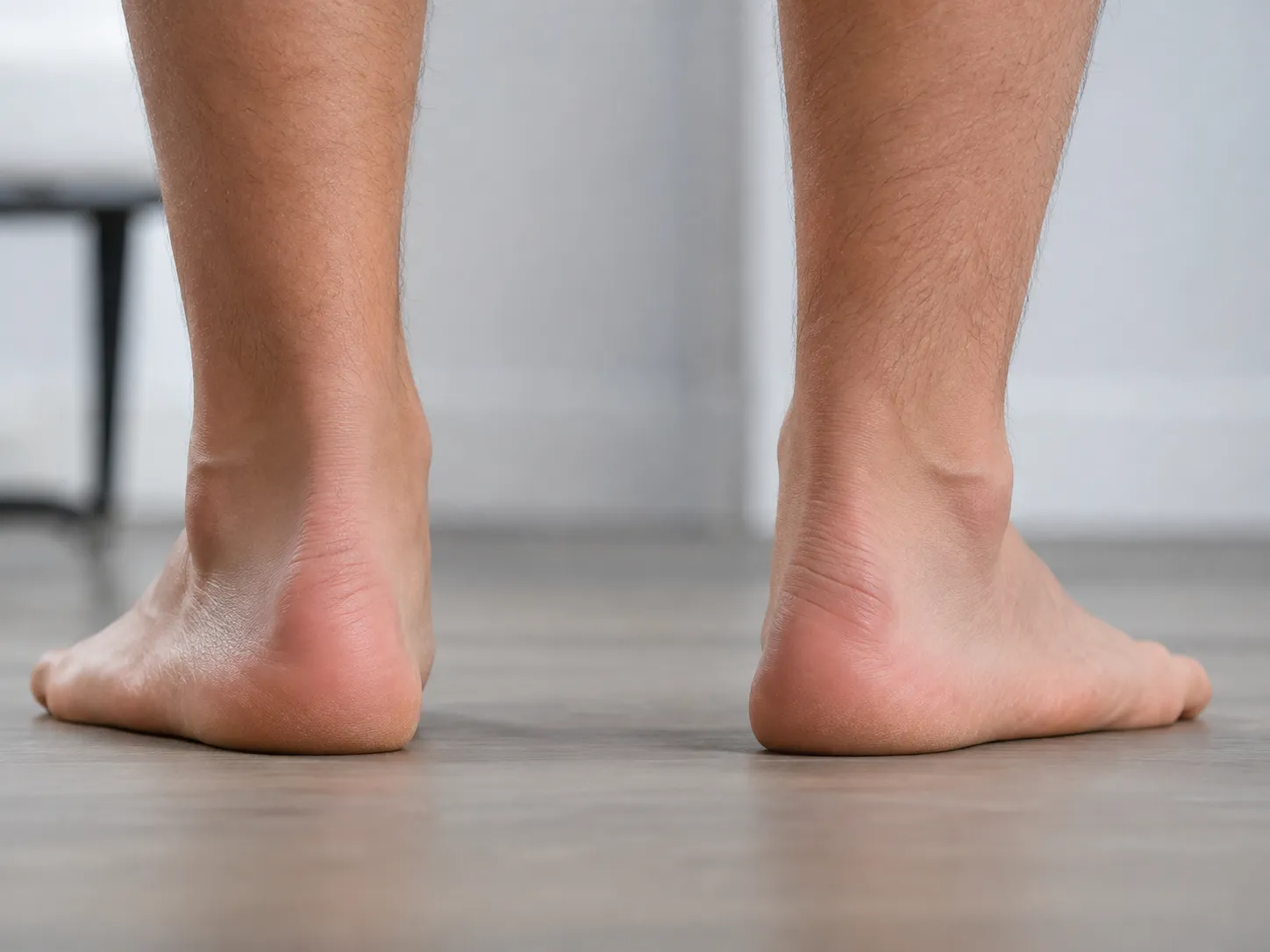
Flat feet, also called flatfoot, have a low or absent arch when standing. Some are painless; others develop pain or a changing foot shape. Dr. Matthew Eberly evaluates painful or changing arches in Victoria, TX and recommends care based on the cause.
Symptoms
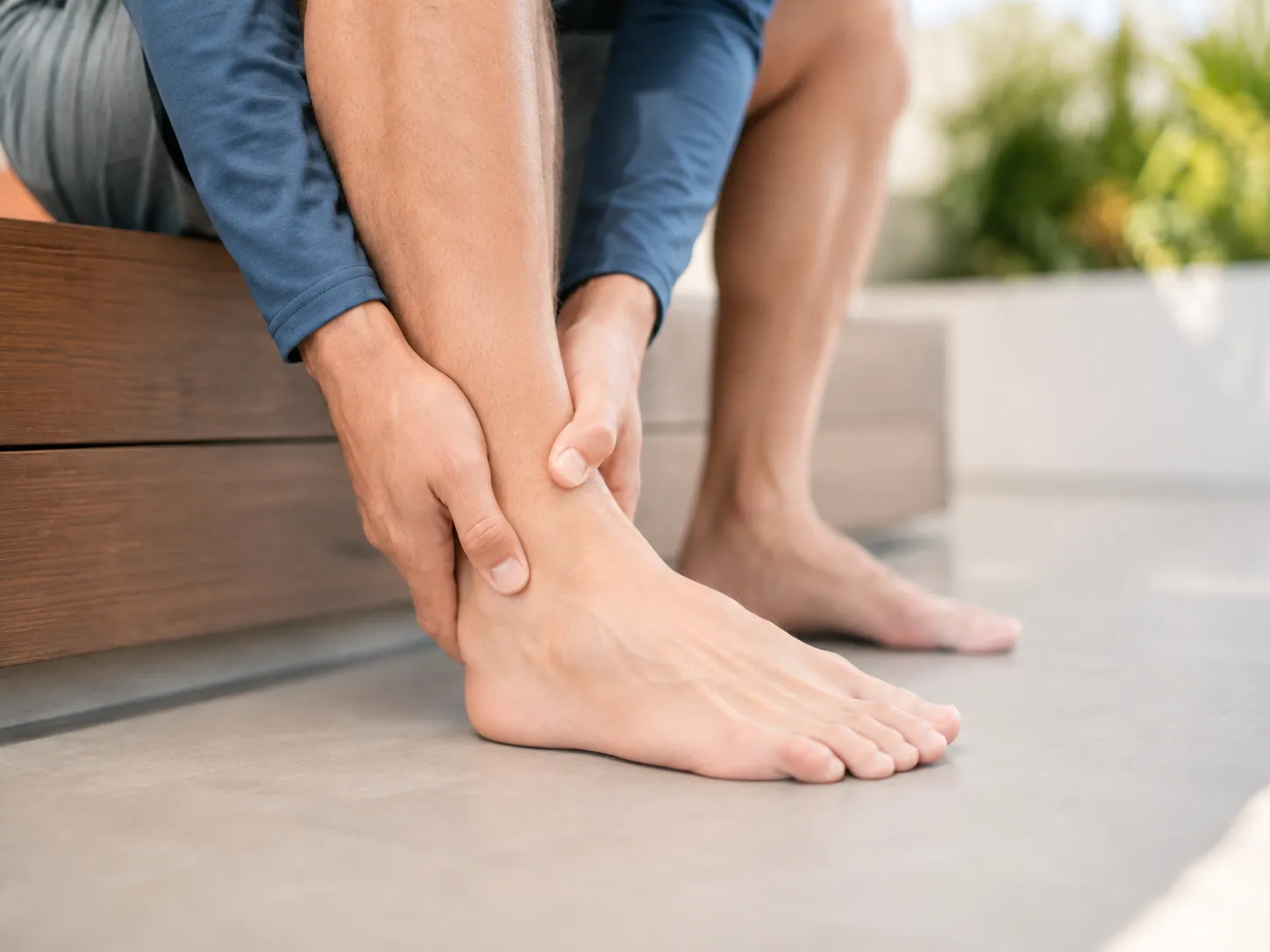
- Aching along the inside of the arch or the ankle
- Tightness or pain in the Achilles tendon
- Heel pain, especially with your first steps in the morning
- Tired, sore feet after a day of standing
- Shoes that wear down faster along the inside edge
- An ankle that rolls inward when you stand
- Knee, hip, or back pain may occur with many conditions and is not proof that flat feet are the cause
What causes flatfoot
A new or progressively flattening arch in adulthood can involve changes in the tendons and ligaments supporting the foot. The posterior tibial tendon is often involved, but it is not the only structure that can contribute.
- Extra weight carried on the foot
- An old foot or ankle injury
- Arthritis in the joints of the rear foot
- Diabetes or reduced sensation, which can be associated with serious changes in the foot
Standing, hard floors, and worn shoes may aggravate symptoms, but they do not by themselves explain every structural change in the arch.

How Dr. Eberly diagnoses flatfoot
Dr. Eberly assesses foot shape, movement, strength, and tenderness while considering your symptoms. Weight-bearing X-rays may help assess alignment; other imaging may be needed to evaluate soft tissues.
Treatment
Treatment depends on symptoms and the type of flatfoot. Painless flat feet may not need active treatment. For painful feet, options may include footwear changes, inserts or orthotics, exercises, bracing, or other care recommended after an examination.
- Supportive shoes or footwear changes based on your symptoms and foot structure.
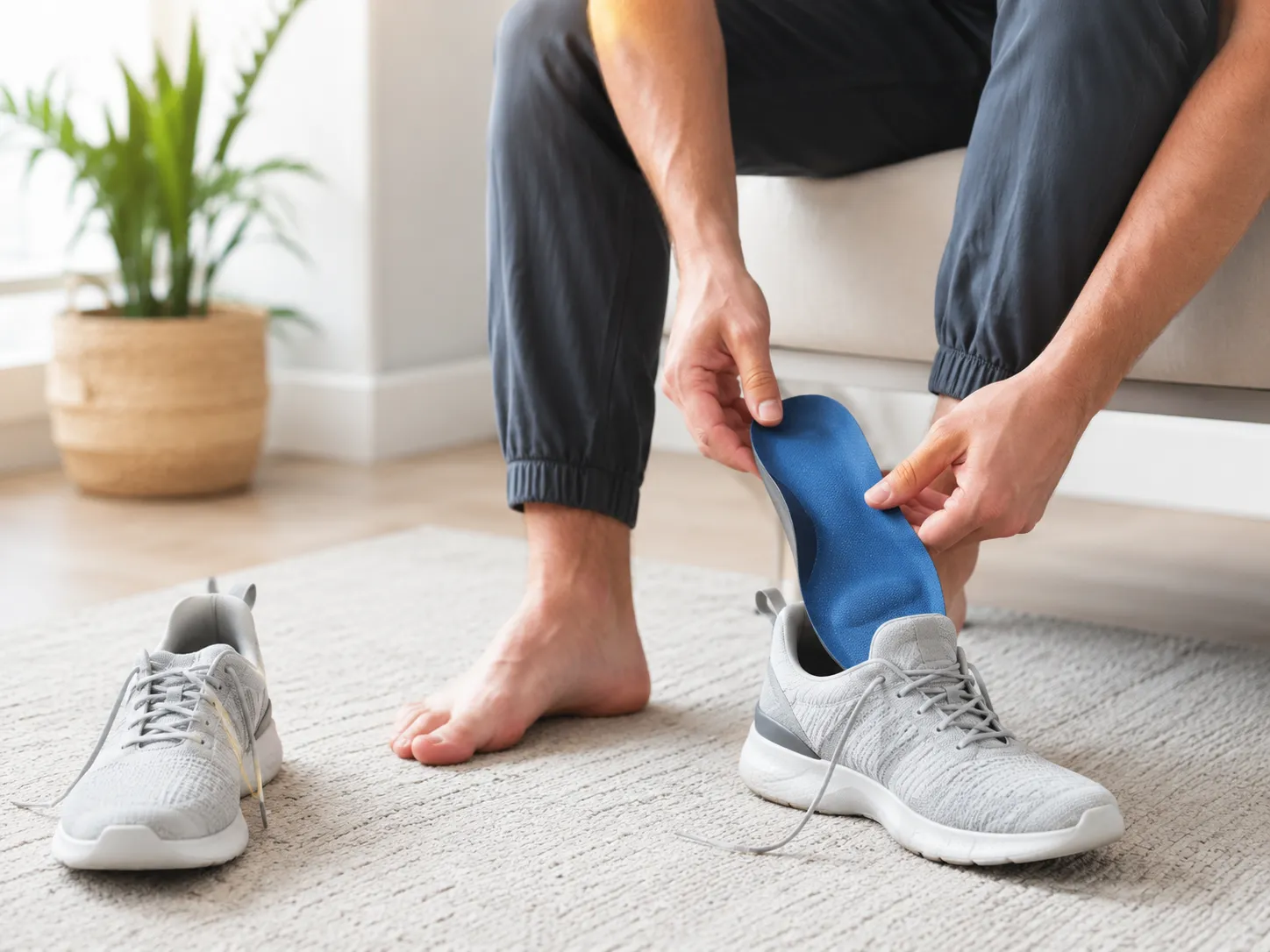
- Inserts or orthotics may be considered to improve support or redistribute pressure.
- Calf stretching or exercises when tightness contributes to symptoms.
- Medication for pain or inflammation may be appropriate after a review of your health history and other medicines.
- A brace or walking boot when the foot needs support or rest.
- Physical therapy to address strength, flexibility, and control.

What recovery looks like
Follow the fitting and break-in instructions provided for your orthotics. Contact the office if they cause persistent pain, rubbing, numbness, or skin changes rather than continuing to wear them without advice.
Recovery and follow-up depend on the cause of the flatfoot, your symptoms, and the treatment plan. Dr. Eberly can explain when to return and how to increase activity safely.
When to see a podiatrist
- The arch or inside ankle hurts most days
- One foot has gone flatter than the other
- Your ankle rolls inward when you stand
- You cannot rise up onto your toes on one leg
- Foot pain is affecting daily activity
- If you have diabetes or reduced sensation and your foot becomes newly warm, red, swollen, or changes shape, seek urgent medical assessment
Serious changes can occur even without much pain. Painful or changing foot shape should be assessed rather than treated as ordinary flatfoot.

Book an appointment
Call 361-576-3338 (FEET) or use our online appointment request form.
Victoria Foot & Ankle Center is at 2700 Hospital Dr, Building A, Suite 101 in Victoria, TX. Dr. Matthew Eberly, DPM treats patients from Victoria, Cuero, Edna, Hallettsville, Shiner, and across the Crossroads.