
Sports Injury & Ankle Sprain Doctor in Victoria, TX
Foot and ankle injuries don’t care whether you’re mid-season or mid-run. Dr. Eberly gets active patients back to doing what they love, without unnecessary downtime.

A Board-Certified Podiatric Surgeon for Active Patients
Whether you rolled your ankle on the field or have been dealing with Achilles pain that won’t quit, Victoria Foot & Ankle Center is where Victoria and South Texas athletes come for answers. Dr. Matthew Eberly, DPM, is a board-certified podiatrist and Fellow of the American College of Foot and Ankle Surgery, with surgical residency training at the University of Pennsylvania. He treats athletes of all levels, from high school competitors to weekend warriors, using both surgical and non-surgical approaches.
New patients are welcome. Call us today to make your appointment or schedule online.
Sports Foot & Ankle Conditions We Treat

Ankle Sprains

Achilles Tendonitis

Stress Fractures

Ankle Instability
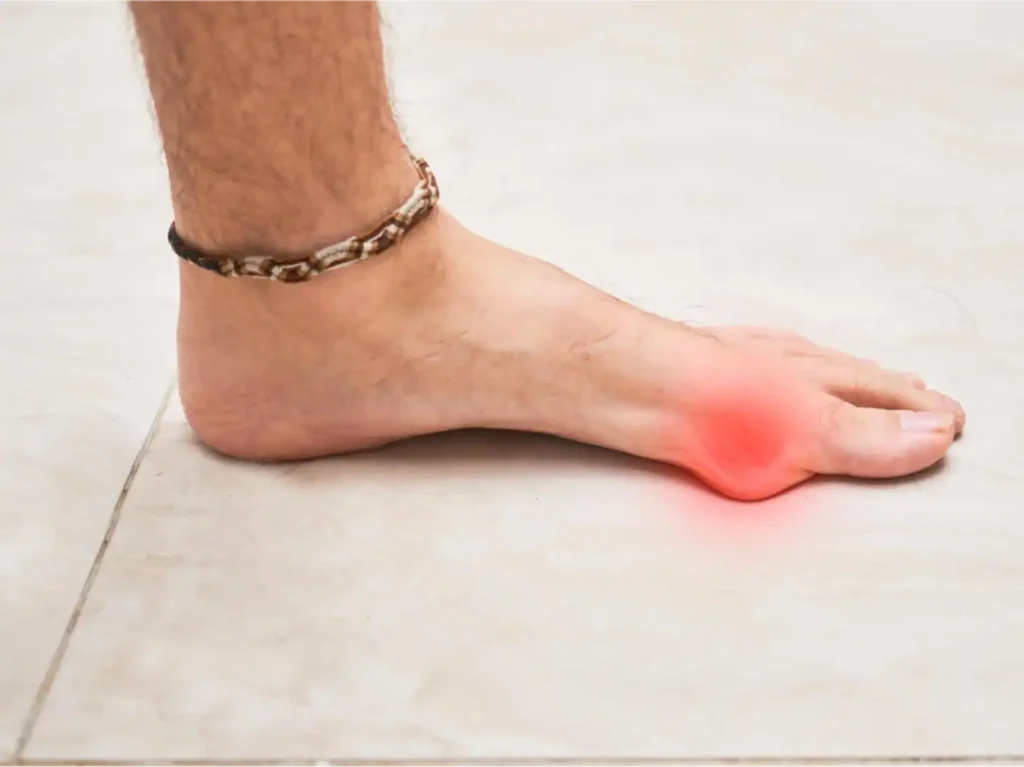
Turf Toe
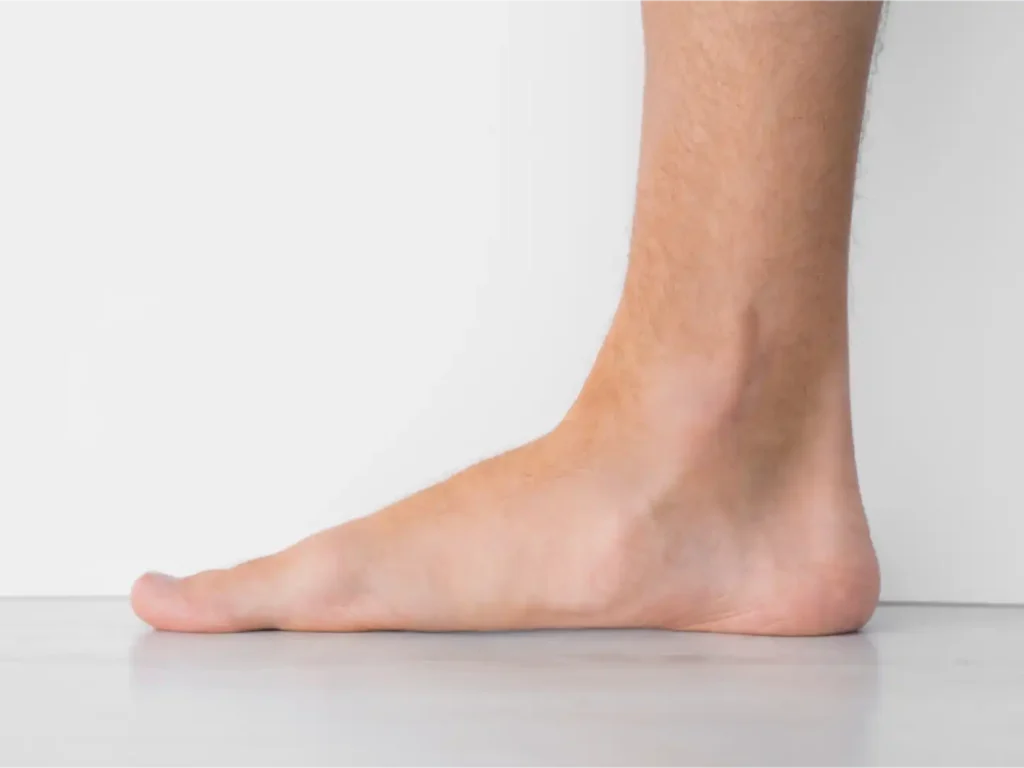
Peroneal Tendon Injuries
Why a Podiatrist, Not Just Urgent Care
Urgent care can rule out a fracture and wrap an ankle. A podiatric surgeon can tell you why it keeps happening and what to do about it. Dr. Eberly combines on-site imaging, gait analysis, custom orthotics, and surgical capability under one roof. That means you get a diagnosis that actually explains your injury and a treatment plan built around getting you back to full activity, not just managing pain.
Don’t push through any of these without getting checked:
- Pain, swelling, or bruising that isn’t improving after 48 to 72 hours
- An ankle that feels unstable or gives way during normal activity
- Sharp pain in the foot that gets worse with each workout
- A pop or snap heard at the time of injury
- Heel or tendon pain that has been present for weeks without improvement

How We Treat Sports Foot & Ankle Injuries
Diagnosis & Imaging
We examine the injury and use on-site imaging when needed to get a clear picture of what's going on, whether that's a ligament tear, tendon damage, or a hairline fracture.
Non-Surgical Treatment First
Most sports injuries respond well to non-surgical care. Bracing, physical therapy referrals, orthotics, injections, and activity modification are all part of the toolkit before surgery is ever considered.
Orthotics & Rehab Support
Custom orthotics correct the mechanical issues that often lead to repeat injuries. We work with you on footwear, activity modifications, and return-to-play planning so the injury doesn't come back.
Surgery When It's Needed
Some injuries, including chronic ankle instability, severe tendon tears, and certain fractures, do require surgical correction. Dr. Eberly is a trained podiatric surgeon who performs these procedures when conservative treatment isn't enough.
What Our Patients Say
Posted on Google
 Carl Schneider
Trustindex verifies that the original source of the review is Google.
Dr. Eberly & his staff all were great! My elderly parents both loved them, and we're remarking how much better their feet felt when we were walking out to the car. Thank you, Dr. Eberly.Posted on Google E. E. BarnesFantastic staff! Dr. Is wonderful.. No wait time either... I can not say enough about them... Laura thank you for getting me in so fast.. you girls are the best.. Virginia BarnesPosted on Google
 Dar Faldyn (Mimi Dar)Dr Perez is amazing!! Compassionate and professional!! Took his time and answered all my questions. The staff is very nice. Great parking, everything was perfect!Posted on Google
 Jeffrey MareshDr. Eberly and his staff’s professionalism is a prime example of how a medical experience should be.Posted on Google
 kerri fowlerI am so glad I called and made an appointment here! The staff and doctor were so helpful and made me feel comfortable. I wish I wasn't so bad with names so I could thank everyone properly but I know that if I ever need more help with my foot I'll be coming back here!Posted on Google
 Jenni KnetlThis is my first review, but with the quality of care I received, I have to let everyone know. Everything about this office is amazing! Scheduling/billing was easy, friendly personnel, anxiety-free zone. Other medical providers should come visit here to see how patient care should be done. Highly recommend!Posted on Google
 Mick MDr. Eberly and his staff are the Best! I highly recommend him!!Posted on Google
 Jennette PeaceGreat Dr. And StaffPosted on Google
 Sheri P.
Trustindex verifies that the original source of the review is Google.
Fast and Professional Atmosphere. Will be Returning.
Serving Victoria and the Crossroads Region
Frequently Asked Questions
How do I know if my ankle is sprained or broken? +
Both cause pain, swelling, and bruising, which makes them hard to tell apart without imaging. A sprain involves ligament damage while a fracture is a break in the bone. Some fractures, including stress fractures, don't look dramatic on the outside at all. If you're unable to put weight on the ankle or the pain is severe, get it evaluated rather than waiting to see if it improves.
Do I need surgery for an ankle sprain? +
Most ankle sprains heal without surgery using rest, bracing, and physical therapy. However, severe ligament tears or sprains that have caused chronic instability sometimes require surgical repair. Dr. Eberly evaluates each injury individually and only recommends surgery when non-surgical options have been exhausted or when the injury clearly warrants it.
How long does Achilles tendonitis take to heal? +
Recovery time varies depending on how long the problem has been present and how severe the inflammation is. Mild cases can improve in a few weeks with rest and treatment. Chronic Achilles tendonitis that has been ignored for months can take longer and may require more involved care. Getting evaluated early significantly shortens recovery time.
Can you treat sports injuries in kids and teens? +
Yes. Victoria Foot & Ankle Center treats patients of all ages, including young athletes dealing with growth plate injuries, ankle sprains, and overuse conditions. Growing bones respond differently to injury than adult bones, which is one reason seeing a specialist rather than waiting it out matters more at that age.
What is a stress fracture and how is it treated? +
A stress fracture is a small crack in a bone caused by repetitive force rather than a single traumatic event. They are common in runners and athletes who increase training volume too quickly. Treatment typically involves rest, offloading with a boot or cast, and a gradual return to activity. Ignoring a stress fracture can cause it to progress into a complete break.
Are you accepting new patients for sports injuries? +
Foot and ankle injuries get harder to treat the longer they sit. Dr. Eberly will give you a clear diagnosis and a plan to get you back to full activity as quickly as safely possible. Contact us now to learn more.