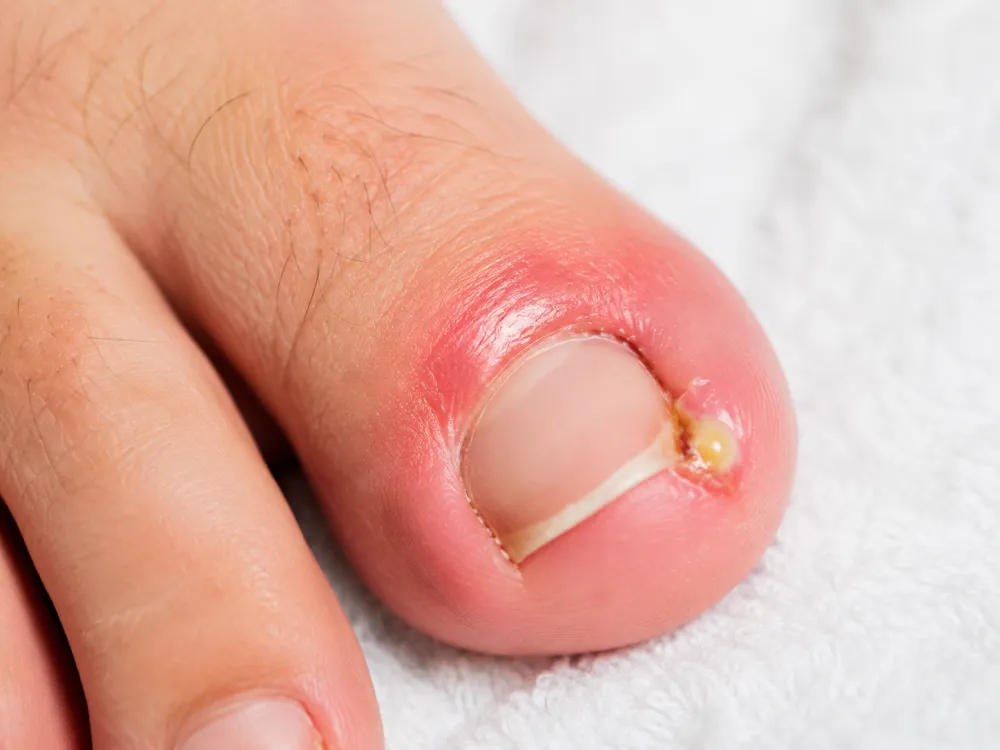
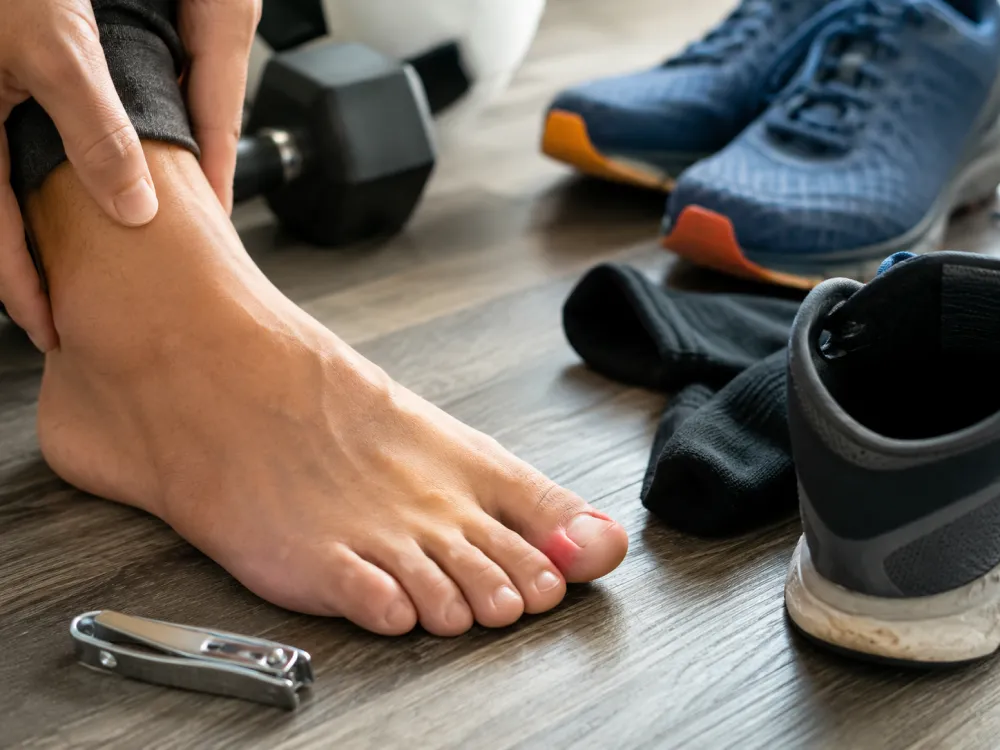
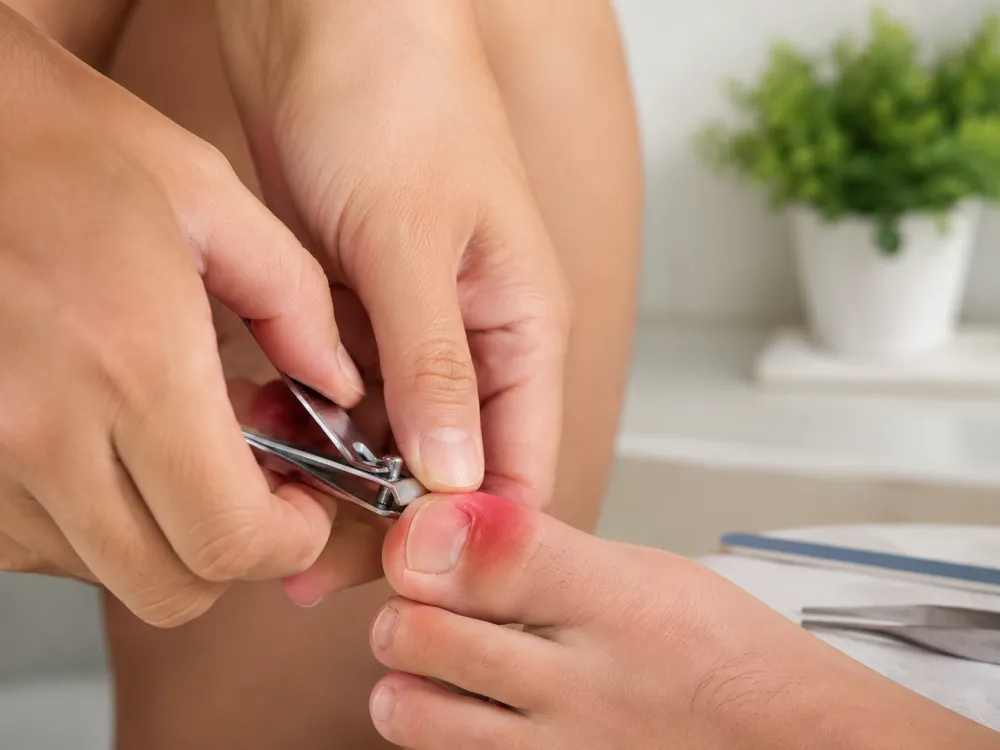
An ingrown toenail occurs when a nail edge presses into or grows into the surrounding skin. It can cause pain, swelling, and sometimes infection. Dr. Matthew Eberly assesses ingrown toenails in Victoria, TX and recommends care based on the nail, symptoms, and your health history.
Pain along one side of the nail, worse when you press it
Red, puffy skin at the nail border
A toe that hurts when a shoe or even a bed sheet touches it
Clear or yellow drainage
A bad smell
Extra tissue growing over the edge of the nail
Warmth around the toe
Increasing redness, warmth, pain, or pus can indicate infection. Seek prompt medical care if redness spreads, you develop a fever, or you feel unwell. If you have diabetes, poor circulation, or reduced sensation, contact a clinician before trying home treatment.
What causes ingrown toenails
Cutting the nail too short or rounding off the corners
Shoes or socks that squeeze the front of the foot
A stubbed toe or something dropped on it
Nails that curve as they grow, which often runs in families
Repeated pressure from running, hiking, or kicking a ball
Sweaty feet, because damp skin gives way more easily
Nail shape explains why some people get this over and over. If the border curves down into the skin, the same toe keeps flaring up no matter how carefully you trim.
How to prevent them
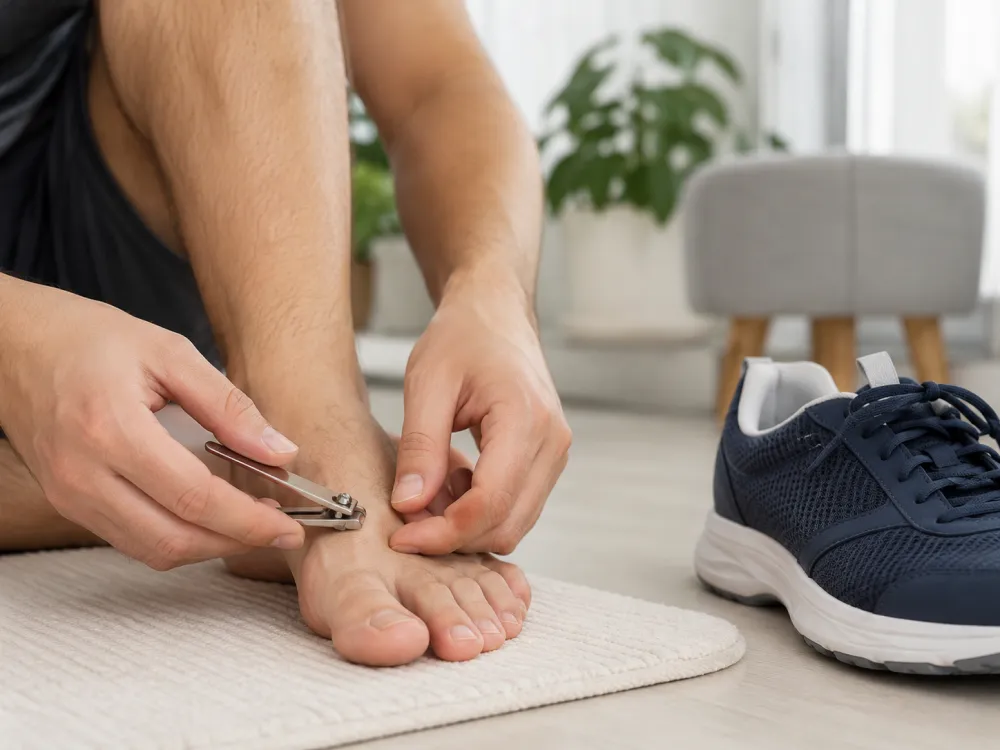
Trim straight across. Do not cut down into the corners. Leave the nail level with the tip of the toe rather than shorter.
Buy shoes with room at the front. You should be able to wiggle your toes without hitting the end.
How Dr. Eberly treats an ingrown toenail
The visit is short. He looks at the toe, checks for infection, and looks at how the nail is shaped.
Treatment depends on the severity and whether the problem recurs. If a procedure is recommended, local anesthetic is used before removing the affected nail portion. For recurring ingrowth, treating part of the nail root can reduce the chance of recurrence, although regrowth is still possible.
Dr. Eberly will assess whether an infection needs antibiotics or other treatment.
Antibiotics are used only when the examination shows they are needed.
What recovery looks like
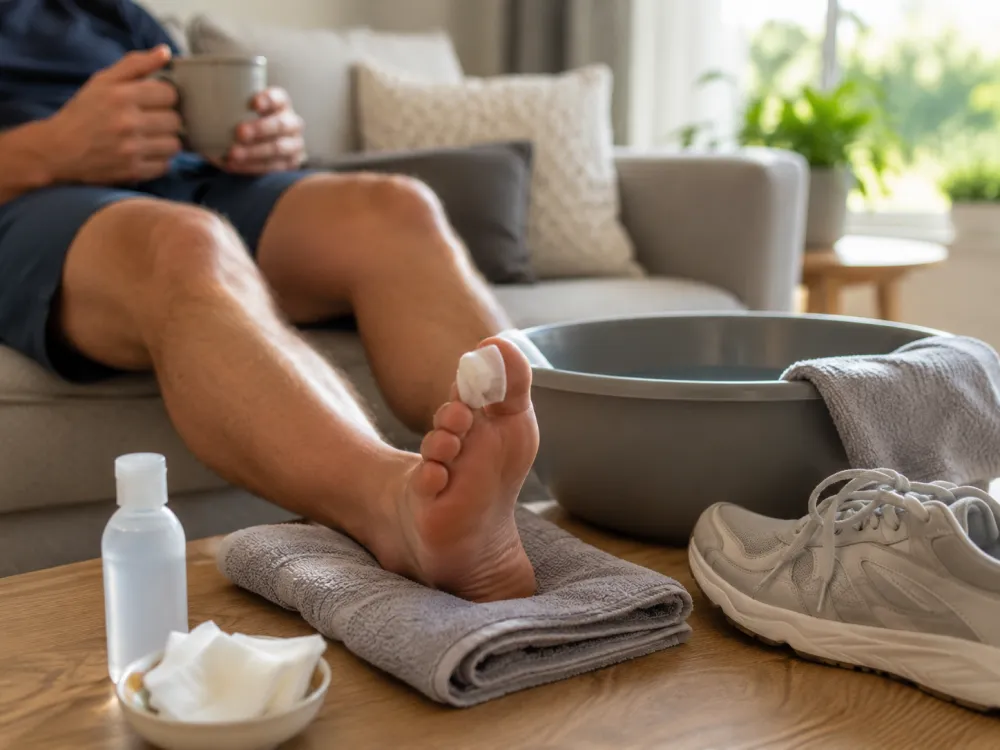
Recovery depends on the procedure and your ability to heal. You will receive instructions for dressings, footwear, activity, and follow-up. Ask when you can return to your usual shoes, work, and sport, and which changes in pain, redness, or drainage should prompt a call.
Dr. Eberly will tell you exactly what to watch for and when to call.
Please do not do this at home
Do not dig into the nail border or try to remove it yourself. This can injure the skin and increase the risk of infection. If the toe is painful, inflamed, or repeatedly ingrown, arrange an assessment.
If you have diabetes, neuropathy, or poor circulation, do not treat an ingrown toenail yourself at all. Call us instead. A minor toe wound is not minor when circulation is poor .
When to see a podiatrist
Pain that has lasted more than a few days
Any drainage, pus, or odor
Redness spreading up the toe or into the foot
The same toe keeps doing this
The toe is too sore to wear a closed shoe
You have diabetes, nerve damage, or poor circulation
Victoria Foot & Ankle Center is at 2700 Hospital Dr, Building A, Suite 101 in Victoria, TX. Dr. Matthew Eberly, DPM treats patients from Victoria, Goliad, Refugio, Beeville, Edna, and across the Crossroads.